The History and Significance of Jute
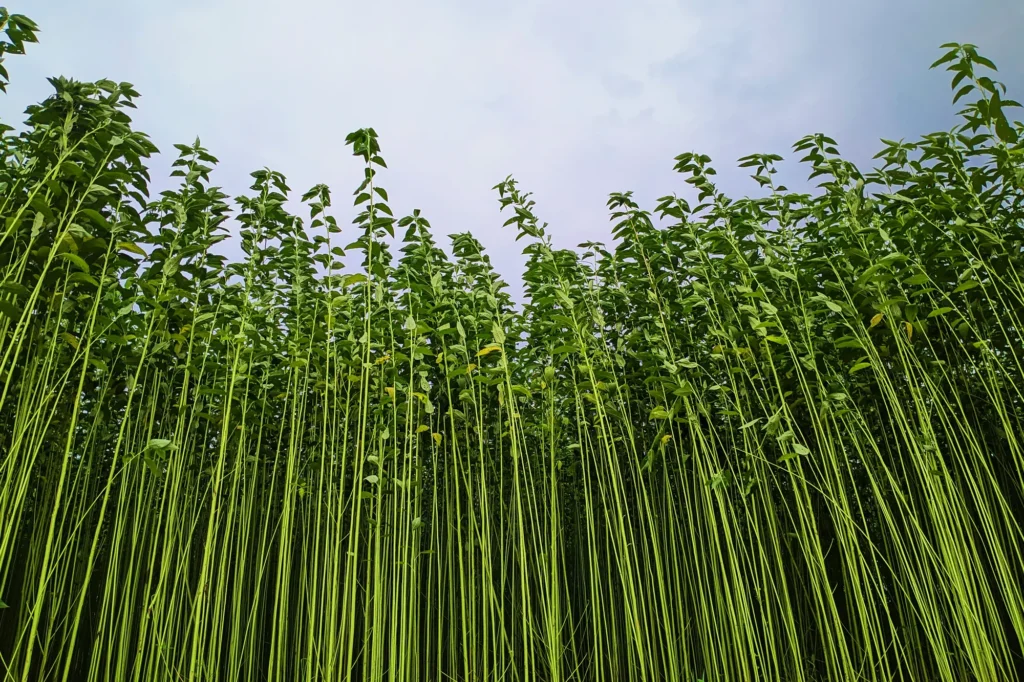
Jute, often called the “Golden Fiber,” is one of the most widely used natural fibers due to its durability, affordability, and eco-friendliness. It is second only to cotton in global production and consumption. With its high tensile strength, breathability, and 100% biodegradability, jute remains an essential material for industries like packaging, textiles, construction, and agriculture.
Jute in Bangladesh
Bangladesh has a rich history of jute cultivation, with its first jute mill starting operations in 1850. Despite challenges like market competition and synthetic alternatives, the jute industry remains a backbone of the economy, providing employment to over 250,000 mill workers and supporting 4 million farming families. As an eco-friendly alternative to synthetic fibers, jute continues to play a crucial role in sustainable development.
Global Production & Benefits
Major jute-producing countries include Bangladesh, India, Brazil, Vietnam, and Thailand. The fiber is known for its good insulating properties, low thermal conductivity, moisture absorption, and acoustic insulation. Additionally, jute can be blended with natural and synthetic fibers without causing skin irritation, making it a versatile material for various applications.
we are committed to preserving the legacy of jute by producing high-quality, sustainable jute products that contribute to a greener future.